
When Is the Best Time to See the Northern Lights in Tromsø?
Every year, thousands of people travel to Tromsø with one goal: to see the northern lights. It is one of the most searched questions we receive, and for good reason, choosing the right time can make the difference between a night that stays with you forever and a night of cloudy skies.
We have been running northern lights tours from Tromsø since 2001. Here is what two and a half decades of chasing the aurora has taught us.
The Short Answer: September to April
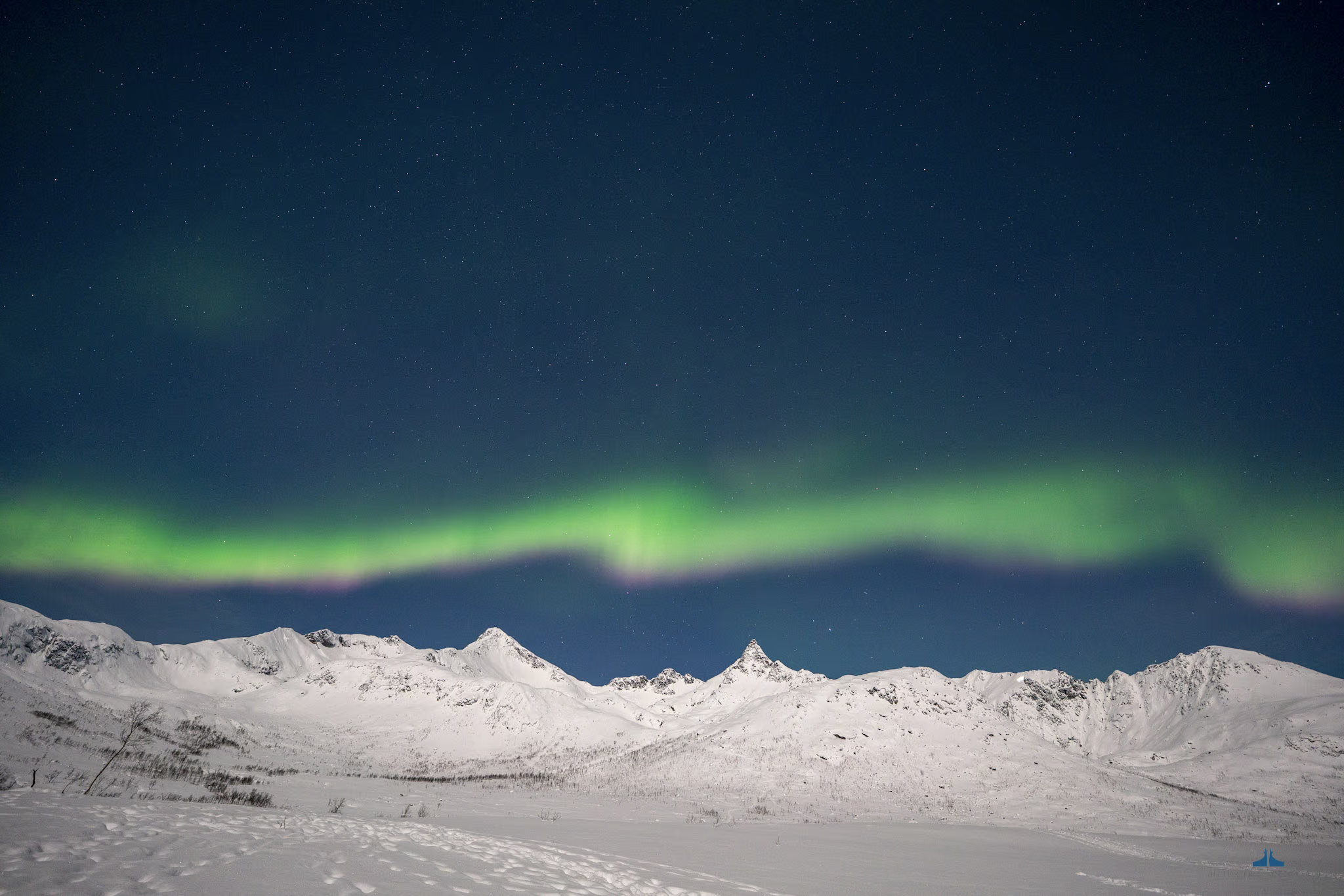
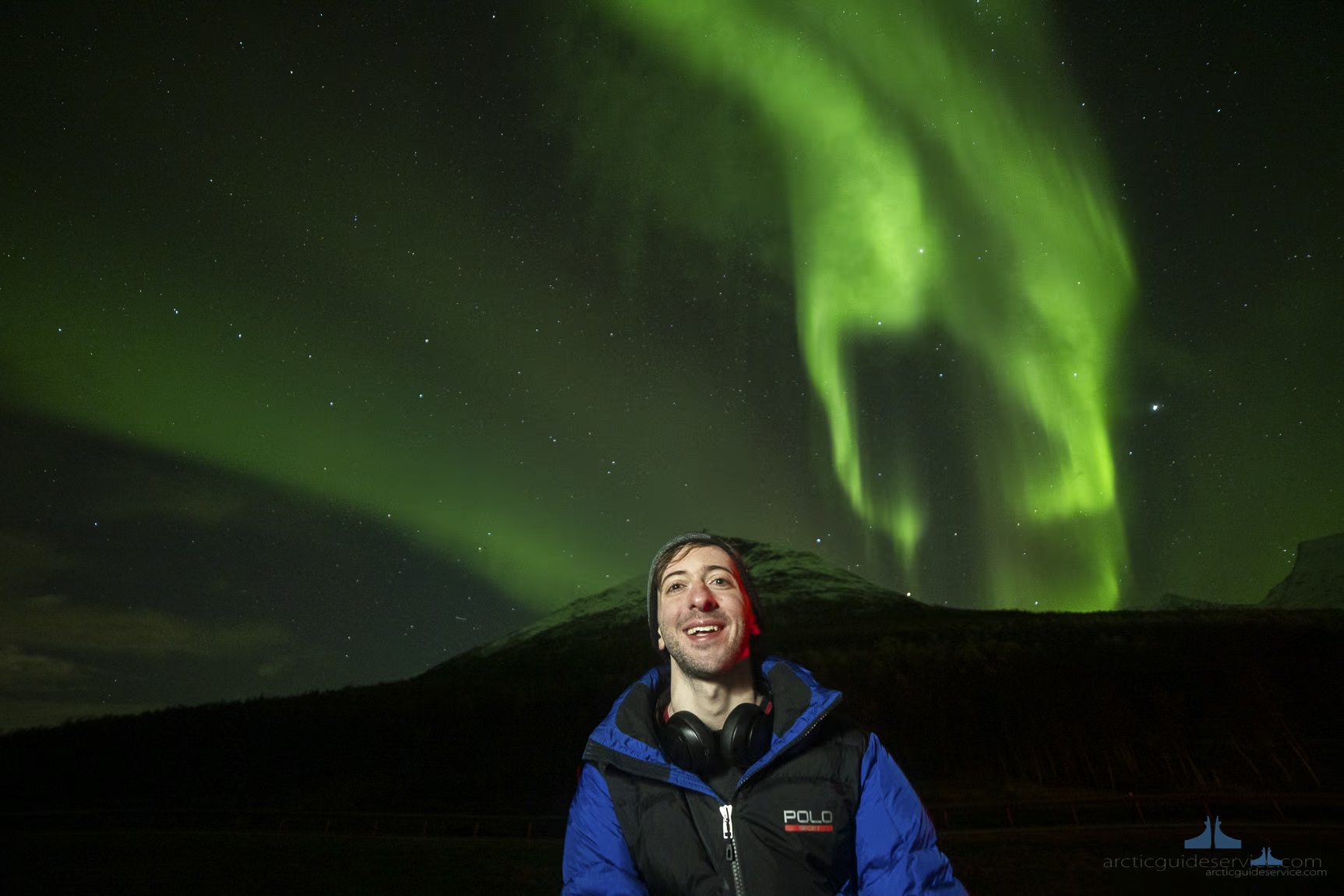
The northern lights season in Tromsø runs from late August to early April. During this window, the sky is dark enough for aurora viewing, and Tromsø sits directly beneath the auroral oval, the band of maximum aurora activity that circles the Earth at around 65–72 degrees north. This means that even on nights with low solar activity, the lights can appear overhead rather than just on the horizon.
But not all months within the season are equal, and the honest answer is more nuanced than most guides will tell you.
October: A Guide's Personal Favourite
"October is my favourite month. There is no snow yet to wash out the colours, and the autumn landscape in the mountains makes the whole experience even stronger."
— Arctic Guide Service guide, Tromsø
October is one of the most underrated months for northern lights viewing, and several of our guides call it their personal favourite. Here is why it stands out:
- The nights are properly dark again after the bright summer, but temperatures are not yet at their January depths, making it a more comfortable experience for guests.
- The autumn equinox effect is real: statistically, geomagnetic activity peaks around both equinoxes (late September and late March) due to the angle at which solar wind interacts with Earth's magnetic field. October sits right in the middle of this elevated activity window.
- Lakes and fjords are not yet frozen, meaning the lights can reflect on the water, creating some of the most dramatic photography conditions of the year.
- It is outside peak tourist season, so tours are less crowded and accommodation prices are lower.
November: Dark, Comfortable, and Often Overlooked
"November is properly dark again, but not as brutally cold as January or February. The season has fully started, but it is not the busiest period yet, it feels like the right balance."
— Arctic Guide Service guide, Tromsø
By November, Tromsø enters Polar Night, the sun does not rise above the horizon at all. This means that, in theory, the aurora can appear at any hour of the day. Practically, the peak viewing window remains between 18:00 and 02:00.
November sits in a sweet spot: long, dark nights create excellent viewing conditions, while temperatures tend to be milder than the deep winter months of January and February. Snowfall has usually begun, giving the landscape its iconic winter look, but extreme cold is less frequent.
January and February: Peak Season and Peak Cold
These are the months most people associate with northern lights, and they are genuinely excellent. The nights are at their longest, in January, the sun barely grazes the horizon in Tromsø for just a few hours and snow-covered mountains provide a spectacular backdrop.
The trade-off is weather. January and February can bring cloud cover and snowstorms that ground tours entirely. They are also the most expensive and busiest months, with flights and accommodation booking out weeks in advance. If you visit in these months, book early and plan for at least three nights to give yourself the best chance of a clear sky.
March: A Second Peak
March benefits from the same equinox effect as October. Days are lengthening rapidly, which means you can enjoy daylight activities, snowshoeing, dog sledding, Arctic hikes and still have long, dark evenings for aurora chasing. Many experienced travellers consider late February to mid-March the ideal combination of conditions.
What About the Chance of Seeing Them on Your Specific Date?
💡 Our guides' most honest answer: The northern lights cannot be forecast more than a few hours in advance. No one can tell you whether you will see them on a specific night, not us, not any app, not any website. What we can do is drive you to the best available location based on real-time cloud and aurora forecasts. That is what makes the difference.
The single most important factor in seeing the northern lights is not the month, it is cloud cover. Tromsø is surrounded by fjords and mountains that create local microclimates. On a night when the city itself is overcast, our guides can drive east toward Finland or west to the coast to find a clear sky. This flexibility is why Tromsø has such a strong reputation for aurora sightings: it is not just the location, it is the ability to move.
As a general guide, booking at least two or three nights significantly improves your chances. Over three nights in Tromsø during the season, your odds of seeing the northern lights at least once are very high.
The Bottom Line
There is no single 'best' month, the right time depends on what matters most to you. Here is a quick summary:
- October: best combination of aurora activity, comfortable temperatures, autumn colours, and fewer crowds
- November: properly dark, less busy than Christmas, milder than deep winter
- December–January: peak atmosphere, longest nights, but busiest and most expensive
- February–March: excellent conditions, great winter activities by day, benefits from the equinox effect
Get Inspired




What Our Guests Have to Say
Start Your Adventure Today
